
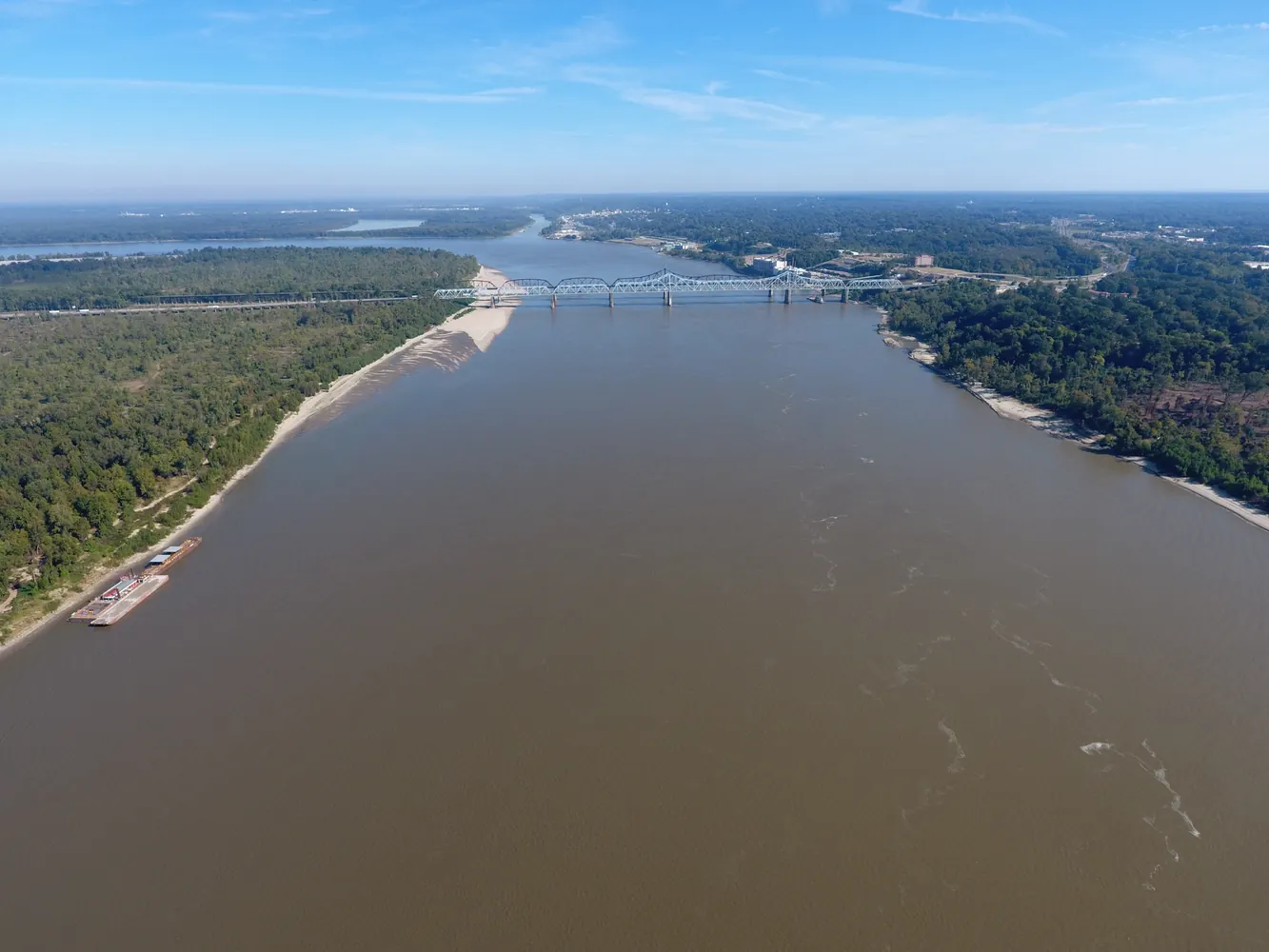
How to read a river gauge before a Mississippi trip
Choose the right station, read the trend and understand what a water-level graph can tell you about a day in Mississippi’s low country.
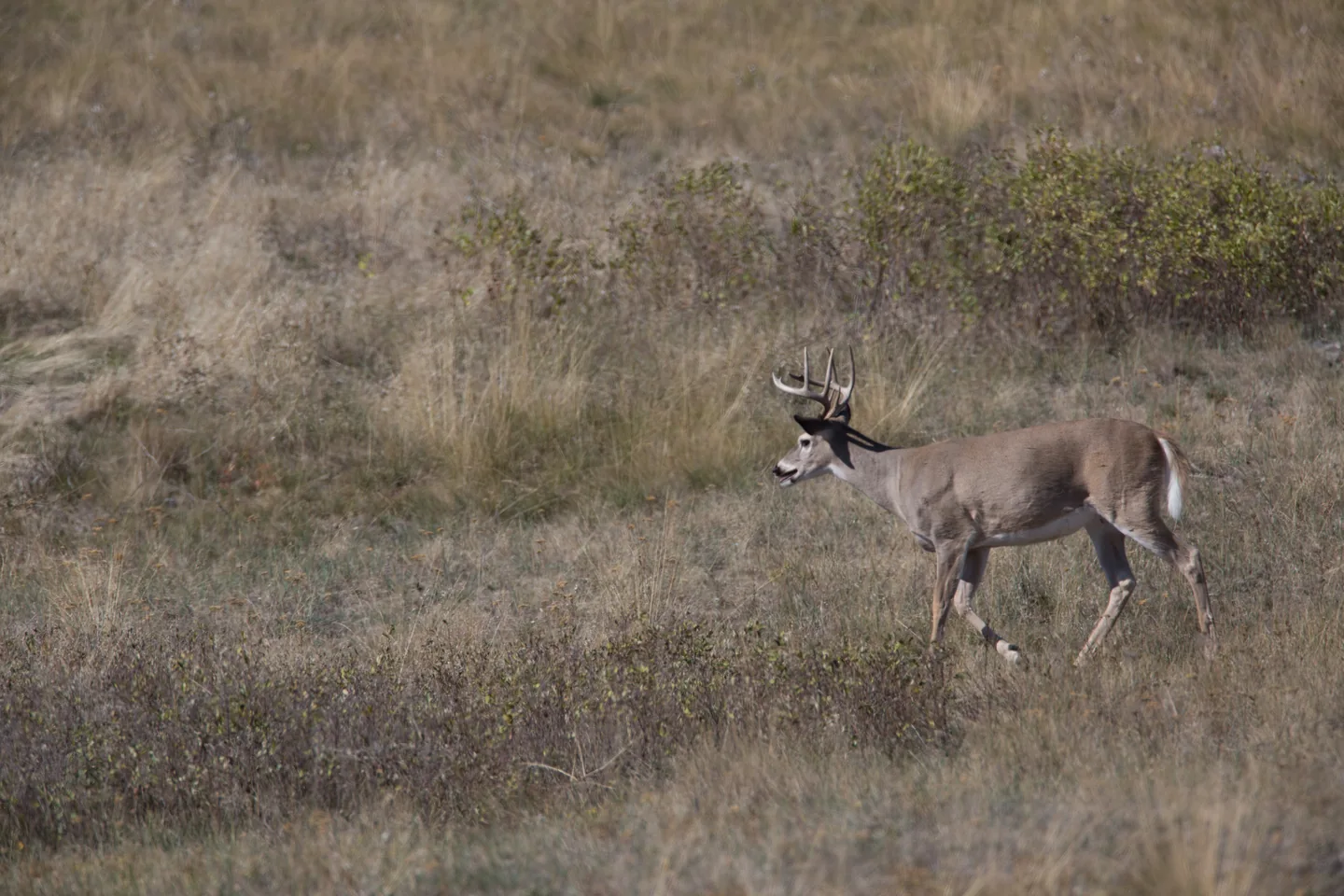
Find the current deer testing directory, check management-zone boundaries and save the number you need to look up a sample.
Linked product names open Amazon. As an Amazon Associate I earn from qualifying purchases. Affiliate disclosure.
Mississippi’s chronic wasting disease program publishes a management-zone map, a sample collection directory and a results lookup. They serve different purposes. The zone information explains where special rules apply. The collection directory tells you where the department accepts samples. The results lookup reports the status of an individual submission.
Before a deer trip, find the property on the current zone map and read the written boundary description. Some boundaries cover part of a county. Use nearby roads and named landmarks to locate the property accurately. Compare that location with the rules for transport and the route you expect to take afterward. Ask the agency about an uncertain boundary before traveling.
Mark the current collection address on a Mississippi road atlas if your route crosses several counties. A transparent map case keeps the agency’s printed site details and opening hours together on the passenger seat.
Follow MDWFP’s Sample Collection and Drop-Off Locations link and select the list for the current season. The program also publishes information about participating taxidermists. Find the full address and any site-specific contact or access details. A screenshot labelled with the season and saved offline can be useful when the last stretch of road has poor service.
Consult the agency’s current guidance for the submission itself and any testing requirement that applies to your trip. If you have seen a live deer behaving abnormally, the program has a separate sick-deer reporting link. Submit an observation through that channel and leave the animal undisturbed.
A Streamlight MicroStream helps read a posted location number or sign in poor light. In rain, a RunOff phone pouch gives your phone some protection while you compare those details with the agency listing.
Follow the posted instructions and save the submission identifier clearly. Photograph your copy or write the number in a Rite in the Rain pocket notebook together with the date and location. For a group, record which identifier belongs to which individual submission. Slip any paper receipt into a Nite Ize waterproof wallet so the printed identifier stays legible. A photograph of the collection site alone will not let you retrieve a result.
Use Check Your Results on MDWFP’s CWD page. The department explains how notifications work and provides an estimate of turnaround time. Read the returned status and follow any instructions from the agency. If you have lost the identifier or see a status you cannot interpret, contact the department with your submission details. A quiet inbox by itself gives you no result.
Copy the tracking number onto dry paperwork with a Rite in the Rain pen and read the digits back before leaving. For a long drive with navigation running, a USB-C power bank can keep the phone available for photographing the receipt.
As an Amazon Associate I earn from qualifying purchases. How our links work.
Copy your sample number and submission date onto the same page, then use both to identify the entry when you check for results.
Keep the paper receipt dry and separate from other trip paperwork until you have retrieved the result.
Choose the right station, read the trend and understand what a water-level graph can tell you about a day in Mississippi’s low country.
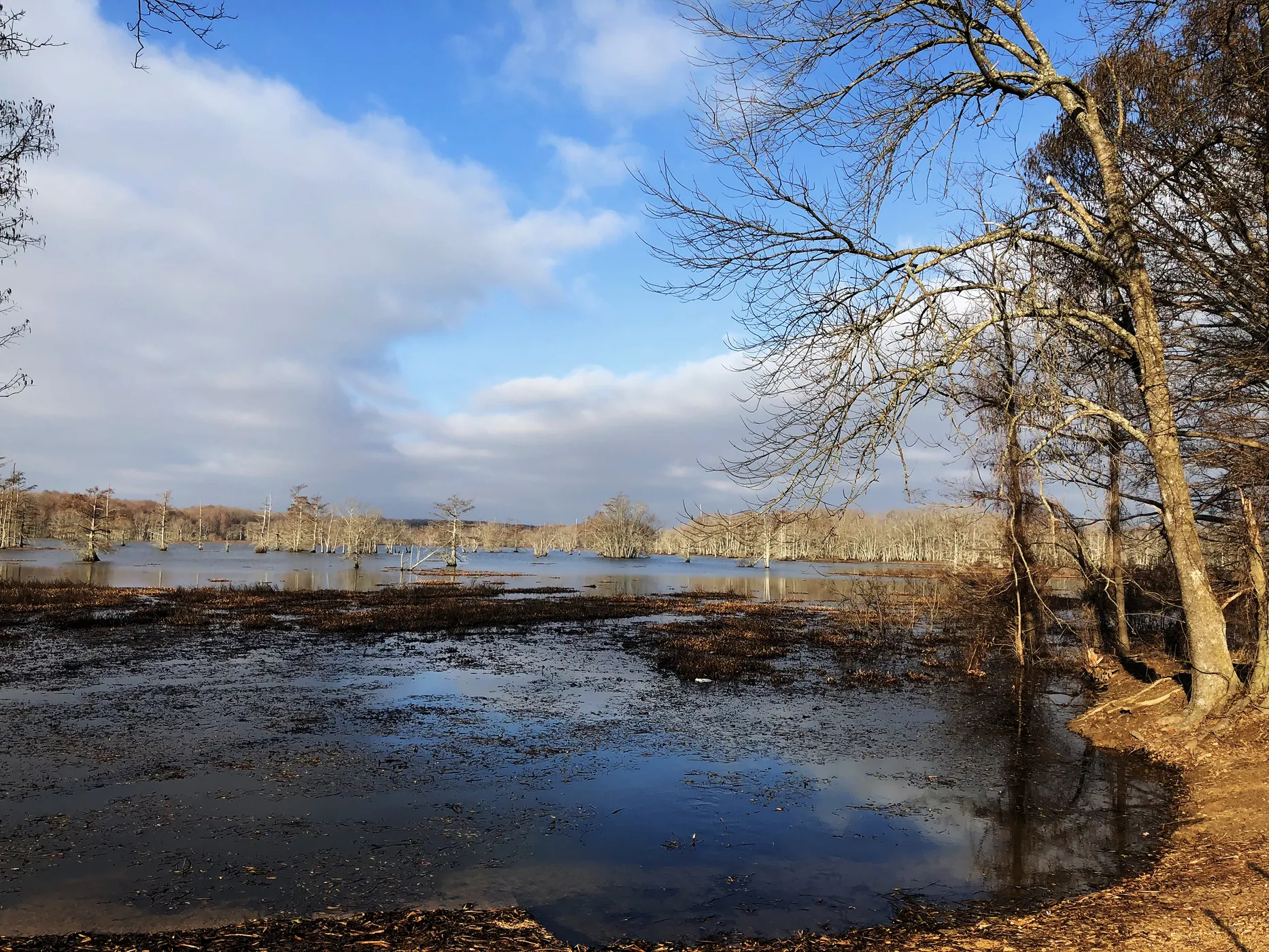
Match your date, species and property to the current MDWFP season table, then check the rules for the land you plan to visit.
Recover a missing education number, choose an approved course or connect an existing record before buying a Mississippi hunting license.