
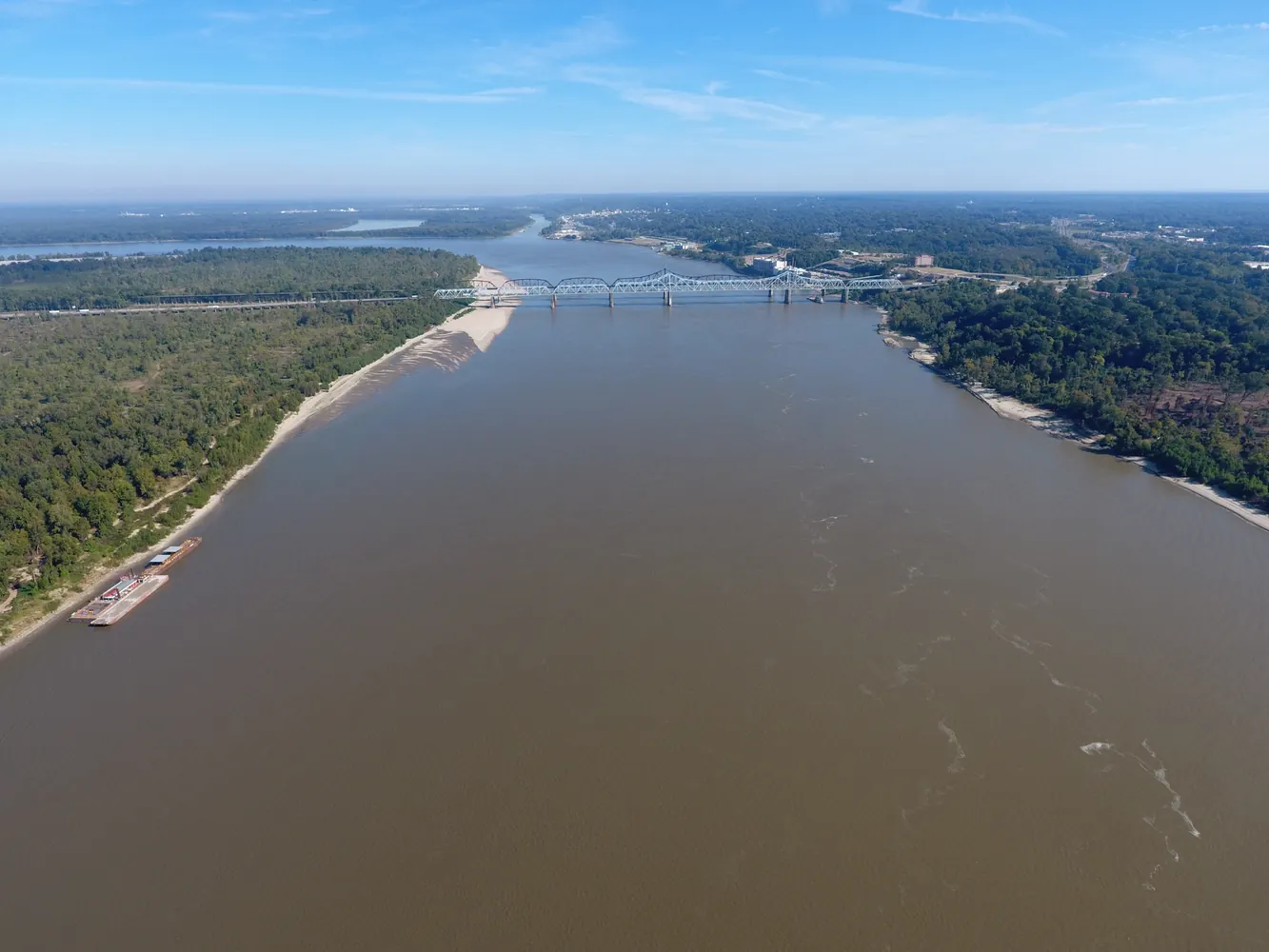
How to read a river gauge before a Mississippi trip
Choose the right station, read the trend and understand what a water-level graph can tell you about a day in Mississippi’s low country.
Learn what observations per ten hours mean, how region changes the picture and why volunteer field notes matter to Mississippi turkey biologists.
Linked product names open Amazon. As an Amazon Associate I earn from qualifying purchases. Affiliate disclosure.
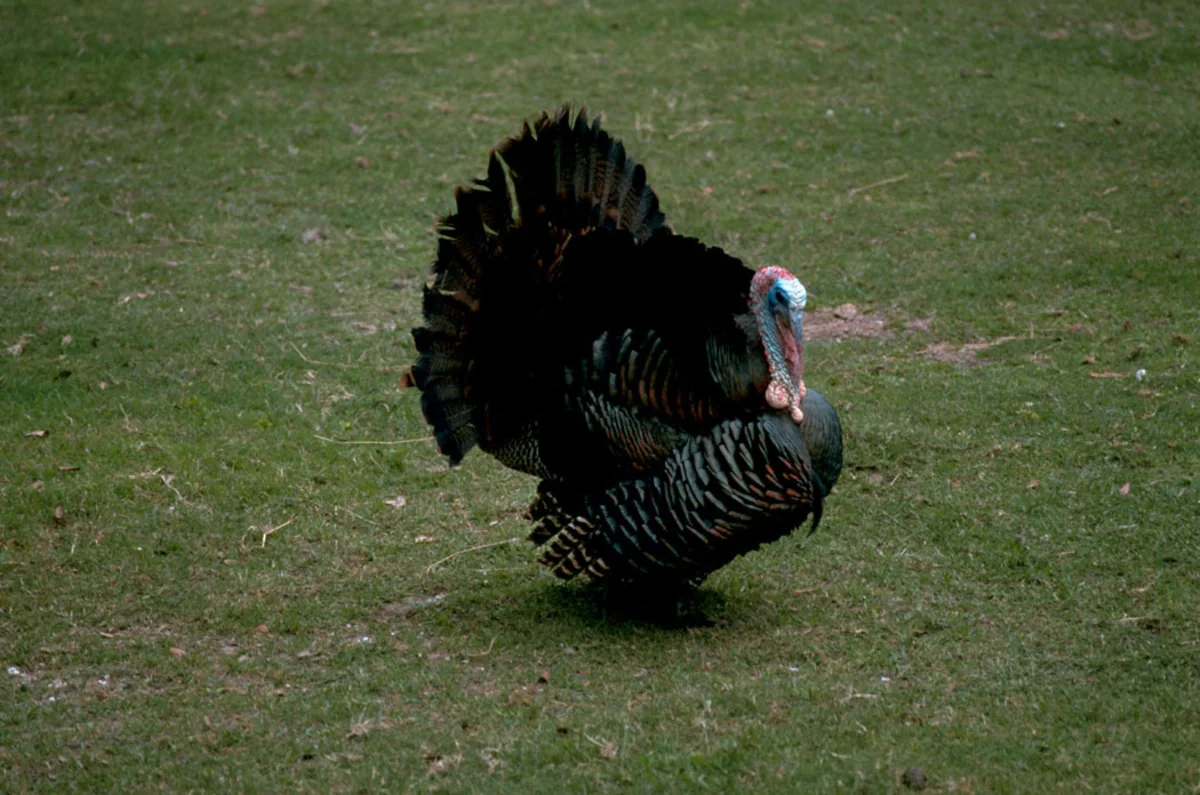
Mississippi’s Spring Gobbler Hunter Survey brings together volunteer observations of turkey activity and time spent afield. It gives state biologists several measures to follow over many seasons. When reading a chart, take the time to read the full axis label. Individual birds heard, total gobbles and individual birds seen count different events. A bird can call repeatedly during one observation.
Next, identify the group supplying the observations and the time covered. A survey of participating hunters describes what those participants encountered. A statewide recreational harvest estimate and an individual camp journal answer different questions. An annual report may discuss several of these sources in a single section. Keep the source name next to any figure you write down. On survey days, a Rite in the Rain pocket notebook gives you a place to record start and stop times.
For a family observation log, Sibley’s eastern bird guide can help put a description beside a turkey sighting. A Rite in the Rain clicker pen is convenient when several readers share a notebook in damp weather.
Suppose observers record six individual gobblers in sixty hours one spring and eight in one hundred hours the next. The total increased, but the rate went from one per ten hours to eight-tenths per ten hours. These are example numbers. Working out both quantities makes it easier to understand why a report includes a measure of effort alongside a count.
In the state’s historic regional charts, look for the label indicating individuals heard per ten hours hunted. Compare like units and the same region across years. Before comparing two panels, check the vertical scale on each. A line that looks steeper can represent a smaller change if its axis covers a narrower range.
If you spend a fixed interval at an overlook, a Z Seat foam pad makes a wet bench usable. Keep the glasses on a binocular harness while you note both the observation and the length of time you watched.
Find your region and examine several adjacent seasons. Note any changes in participation, weather or survey method mentioned by the authors. A regional observation rate can move while experiences at a single property go the other way. The most defensible summary names the region, the years and the measure that changed.
If you want to contribute, the state’s survey page explains enrollment and the records it seeks. Use Nikon 8×30 binoculars when checking a distant sighting, and leave uncertain identifications out of your count. Follow the program's instructions and record effort consistently, including quiet outings where requested. A year later, records of time spent listening can be just as valuable as notes from the busiest morning.
Compare a region map against county lines in a Mississippi atlas before assigning a family sighting to a region. A clear map sleeve can carry the same region sheet on later outings, giving years of records a common reference.
As an Amazon Associate I earn from qualifying purchases. How our links work.
Record the start and finish of each observation period, including outings with zero sightings. Those hours matter when comparing survey rates.
Use binoculars from your observation point to check a distant sighting before entering the count in your notes.
Choose the right station, read the trend and understand what a water-level graph can tell you about a day in Mississippi’s low country.
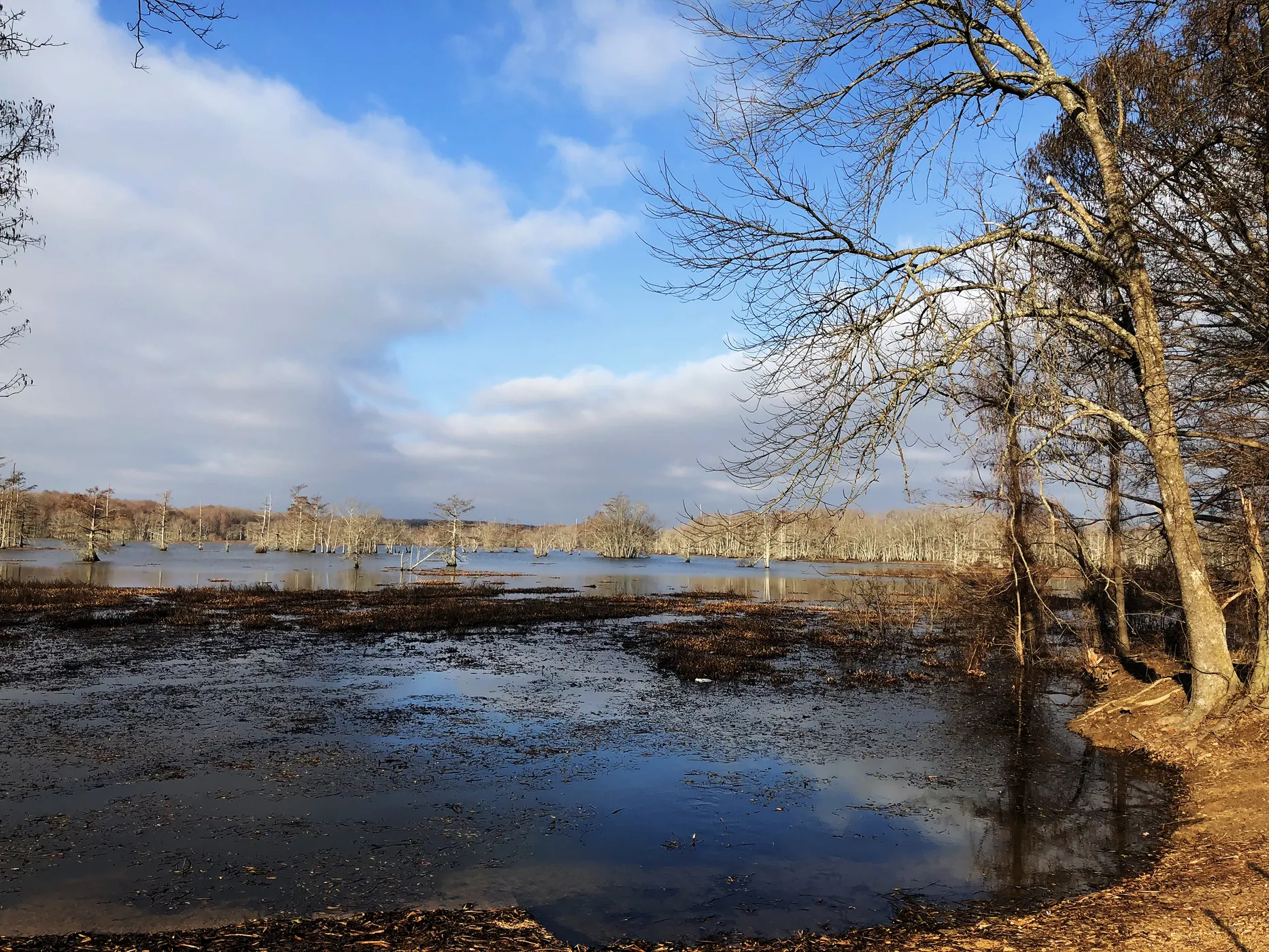
Match your date, species and property to the current MDWFP season table, then check the rules for the land you plan to visit.
Recover a missing education number, choose an approved course or connect an existing record before buying a Mississippi hunting license.