
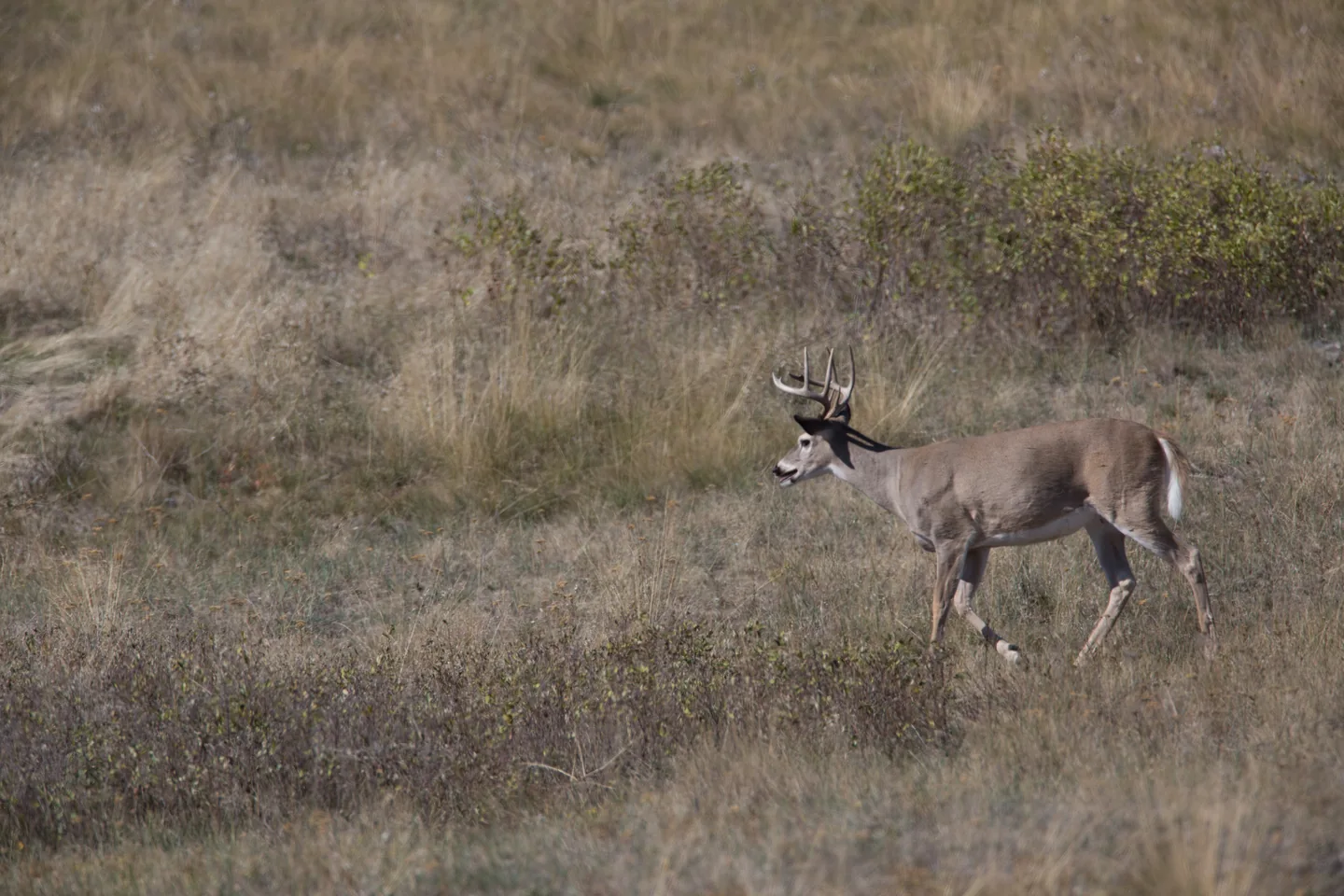
How Mississippi brought back its white-tailed deer
A fence at Leaf River helped rebuild Mississippi’s deer herd. Two generations of deer at Mississippi State later revealed how much the land still shapes each animal.
On the Coast, an open stand of pines shelters cranes, orchids and carnivorous plants. Most of the story is growing below knee height.
Linked product names open Amazon. As an Amazon Associate I earn from qualifying purchases. Affiliate disclosure.
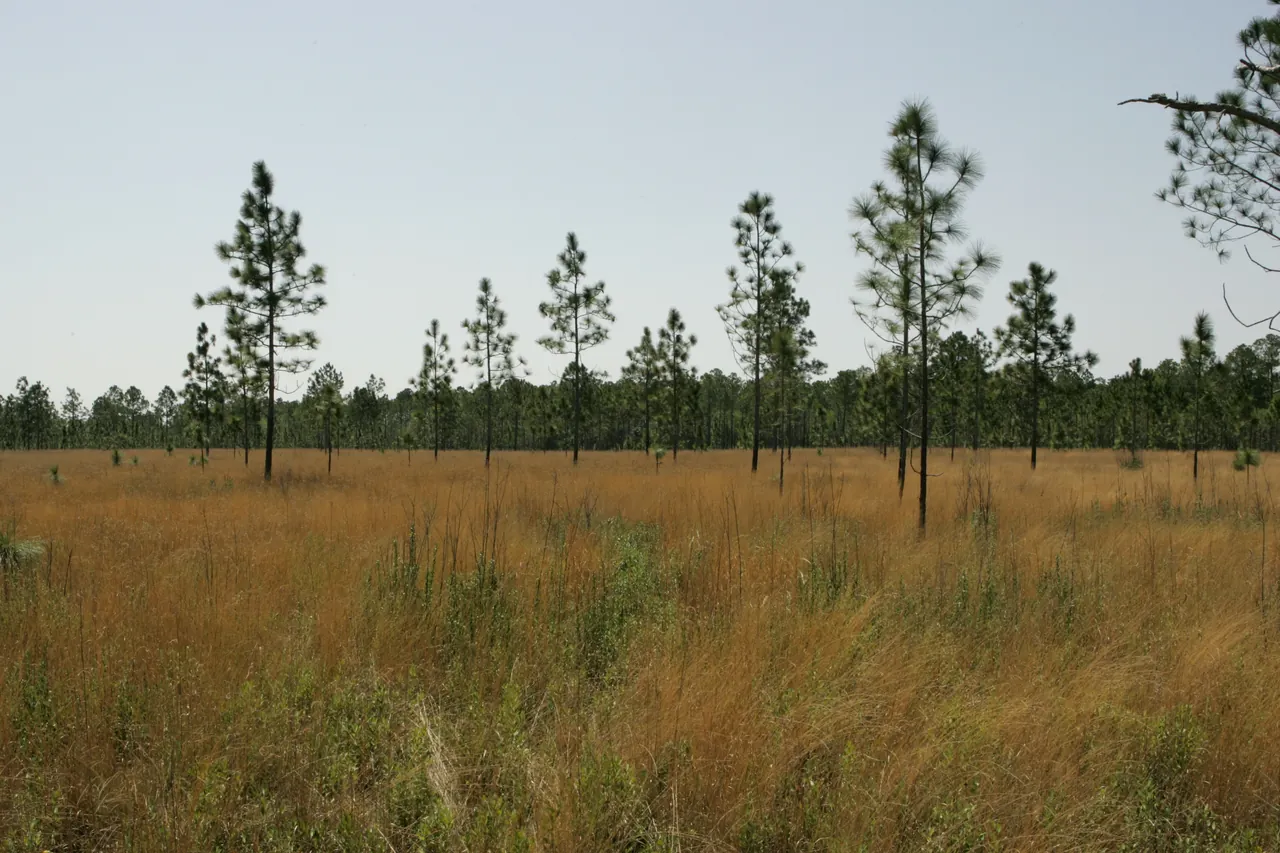
The defining view at Mississippi Sandhill Crane National Wildlife Refuge is the open ground between scattered tree trunks. Light reaches the soil, where grasses, sedges and low flowers grow. These are wet pine savannas. Poor drainage can keep the ground saturated even when the surface under the trees looks like an ordinary meadow.
At a trail edge, look across the ground in layers. First pick out the taller grasses, then look for leaves of a different shape among them. Pitcher plants hold upright, tubular leaves. Sundews are much smaller and can disappear in a wide landscape photograph. Two photographs from the same spot, one looking across and one down, can capture that difference in scale.
A Carson folding loupe is handy for seeing the fine differences between grasses along the trail. Carry it beside a pocket field notebook so you can sketch a seed head and look it up after the walk.
Without recurring fire, shrubs and trees can crowd the sunny ground layer. The Fish and Wildlife Service uses planned burns as part of restoring this habitat. A recently treated patch can look very different from one farther along in regrowth. Keeping that context in mind makes a charred patch beside green vegetation easier to interpret.
Managers also work to conserve the endangered Mississippi sandhill crane. Protecting the bird takes more than safeguarding individual nests. The open habitat the cranes depend on has to persist across years. Habitat restoration and the refuge’s work rearing and releasing cranes are two parts of the same recovery effort. For a look at how a crane’s silhouette differs from a heron’s, compare the illustrations in The Sibley Field Guide to Birds of Eastern North America.
Keep the current refuge map and any closure notice together in a clear map sleeve. A Suunto baseplate compass makes it easier to match an open trail to the directions on the map at an unsigned bend.
Use the refuge’s current visitor information to choose a designated open trail. At the visitor-center area, the trail toward Bayou Castille offers a way to study changes from savanna to wetter vegetation along the bayou. At the trailhead, check current notices for access changes and management work.
Choose one plant form to look for and give yourself time to see it. Compact Nikon PROSTAFF P7 binoculars can bring an unusual flower into view from the path. Leave plants and seed heads in place. On a repeat visit, stand where you took your first photograph and compare flowering, ground color and the amount of open space between the pines.
An exposed stretch feels different from the shade at the trailhead. A 32-ounce Nalgene bottle fits a refill stop into the plan, and a Sea to Summit head net is easy to pull over a hat when the insects get thick.
As an Amazon Associate I earn from qualifying purchases. How our links work.
Keep the eastern guide handy to compare the outline and plumage of birds seen above the grass.
Scan the open savanna from the marked trail so you can look closely without stepping among the plants.
A fence at Leaf River helped rebuild Mississippi’s deer herd. Two generations of deer at Mississippi State later revealed how much the land still shapes each animal.
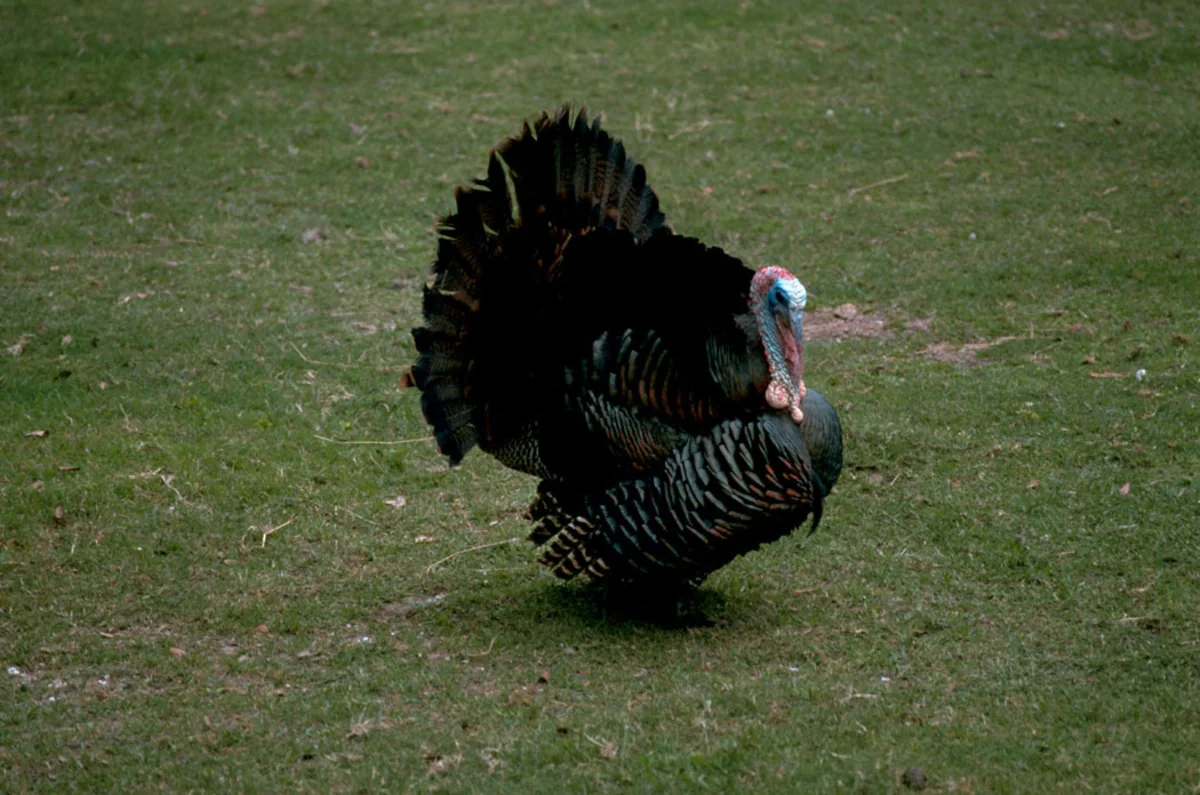
Mississippi hunters reported 17,907 wild turkeys in spring 2026. Behind that record lie three decades of field notes, summer brood counts and a new conservation stamp.
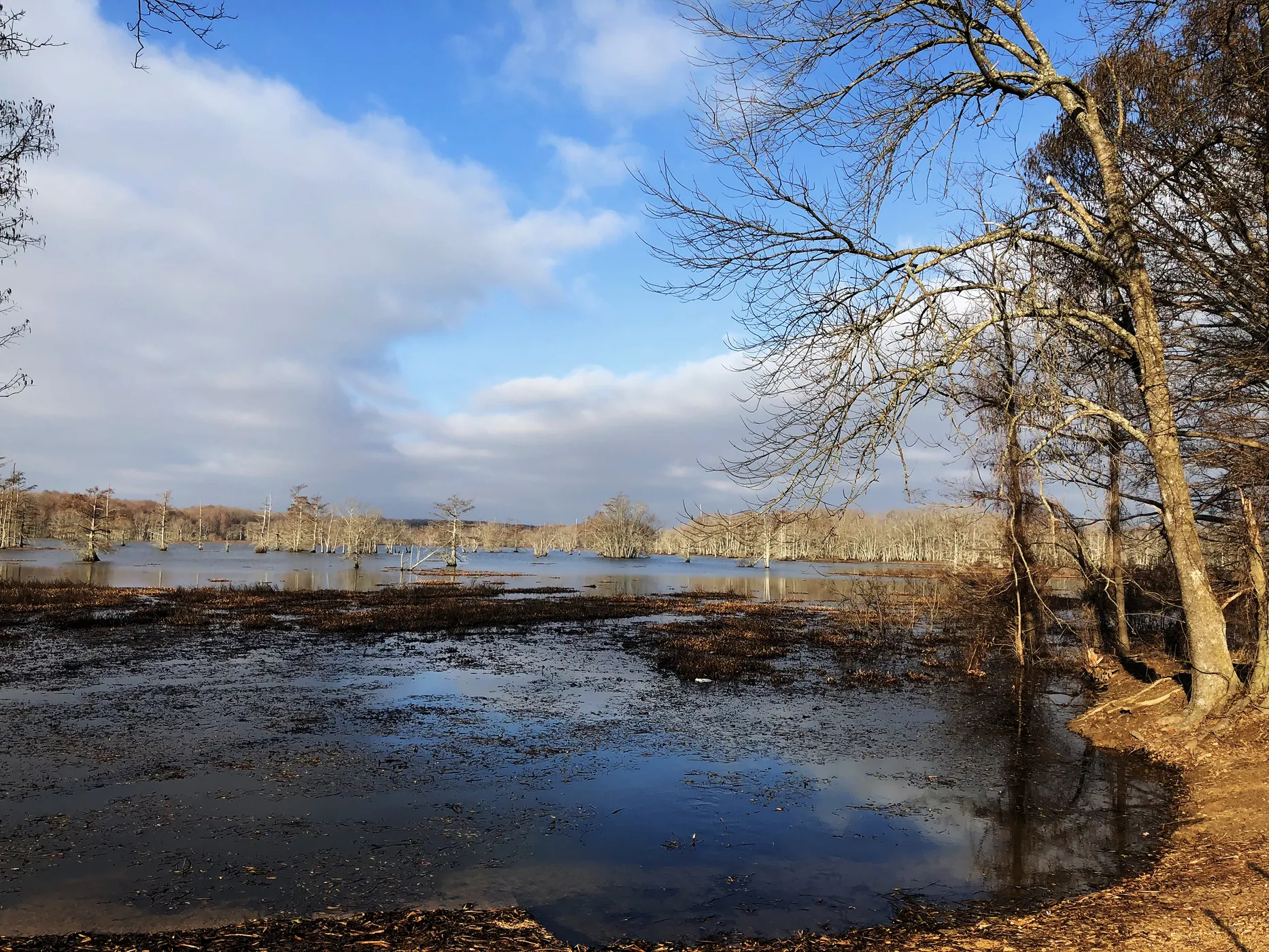
At Panther Swamp, a rise of a foot can change the forest. The trees tell you where the floodwater lingers after the bayous begin to drain.