
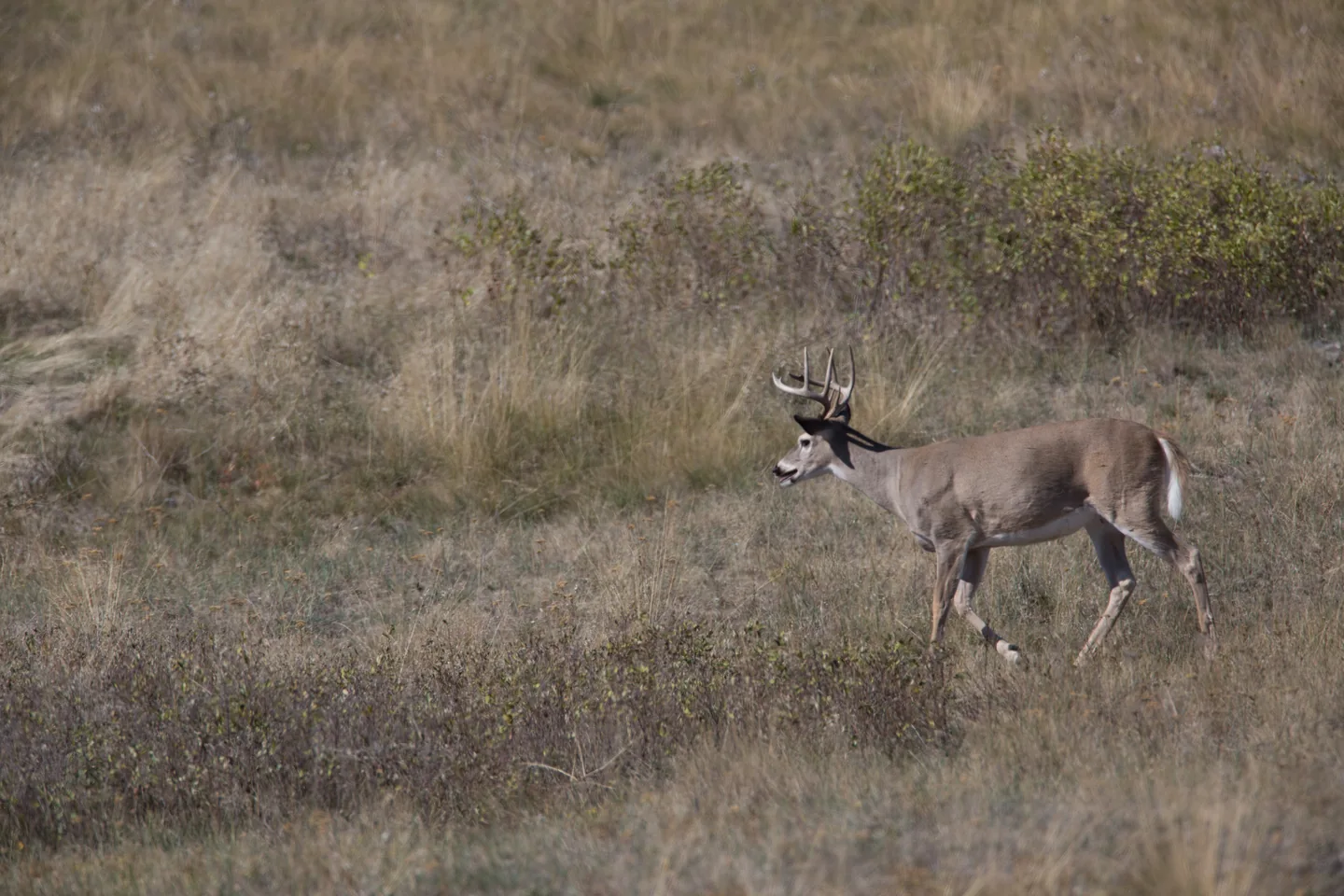
How Mississippi brought back its white-tailed deer
A fence at Leaf River helped rebuild Mississippi’s deer herd. Two generations of deer at Mississippi State later revealed how much the land still shapes each animal.
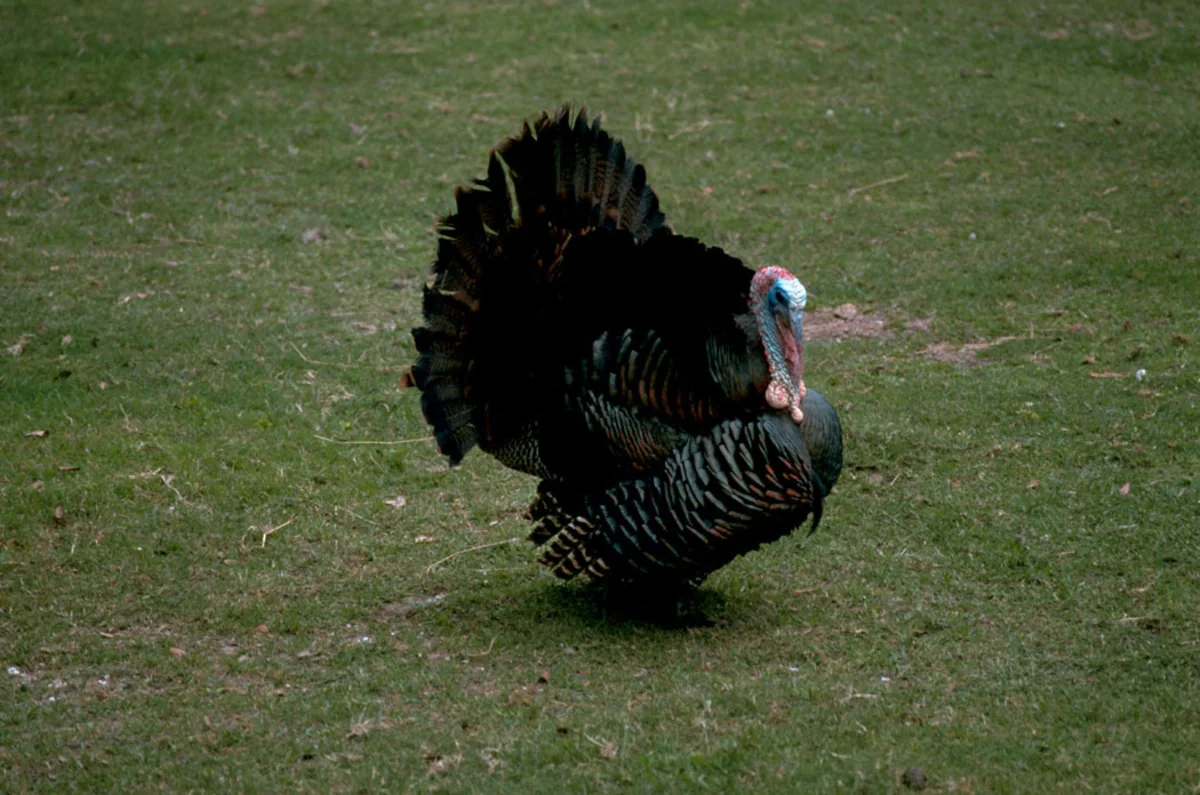
A turkey poult needs cover overhead, room to walk and insects within reach. Here’s how to recognize those features on a Mississippi property.
Linked product names open Amazon. As an Amazon Associate I earn from qualifying purchases. Affiliate disclosure.
A grassy patch can look like fine cover from the seat of a truck. Crouch at the edge of two different patches and the view changes. In one, a solid mat of stems reaches the soil. In the other, broad leaves form a loose roof over gaps at ground level. A young turkey has small legs and little clearance. The arrangement of those first few inches matters.
MDWFP’s turkey habitat guide describes brood habitat in terms of low cover, scattered bare ground and insects. Poults can move under a leafy canopy and feed while a hen keeps watch. A patch can provide shelter from above and still leave a young bird space to travel underneath. You can inspect that structure at an ordinary field edge. If you see a brood, stay back and use Nikon 8×30 binoculars to watch from where you are.
To study the plants from an established path, kneel on a folding foam pad at the edge and look across the ground layer. A Carson TriView hand lens can show just how small the insects on a grass stem are.
A hen's needs change as she moves from nesting to raising poults. Dense growth can give a nesting bird concealment. A newly hatched brood then needs a place to feed and move. Picture a map showing the distance between those two resources. A single parcel can contain both, or an expanse of unsuitable ground can separate them.
Use a Rite in the Rain pocket notebook to sketch the woods, openings and thick patches around a field you know. Mark places where the vegetation changes gradually, and look for small openings inside managed timber as well as obvious fields. In central Mississippi, research reported by Mississippi State University Extension found that some mature bottomland stands also supplied brood habitat. The label on a land-cover map tells only part of the story.
Trace the changes in cover on a paper copy of the property map inside a clear map sleeve. A baseplate compass helps match the edge you photographed to the direction it runs on the page.
On land where you have permission, photograph vegetation from the same edge once in spring and again in summer. Include a low side view that shows spaces between stems. Write down how much ground you can see, whether flowering plants are present and how far similar cover extends. A record of structure will outlast a list of plants you happened to recognize that afternoon.
For habitat work on private land, bring the sketch and photographs to a wildlife biologist. Ask which resource appears to be missing locally. It is a better starting point than choosing a treatment simply because it helped on another property. Leave nesting birds and family groups undisturbed.
In summer, a Sea to Summit head net keeps your hands free for notes while insects are active. Keep a Rite in the Rain pen with the notebook and include the date of mowing or other visible changes when you know it.
As an Amazon Associate I earn from qualifying purchases. How our links work.
Study openings between clumps of grass from the trail and give any brood you see plenty of room.
Sketch one patch from ground level and one from standing height. Two views of the same plants show how cover changes with the observer’s height.
A fence at Leaf River helped rebuild Mississippi’s deer herd. Two generations of deer at Mississippi State later revealed how much the land still shapes each animal.
Mississippi hunters reported 17,907 wild turkeys in spring 2026. Behind that record lie three decades of field notes, summer brood counts and a new conservation stamp.
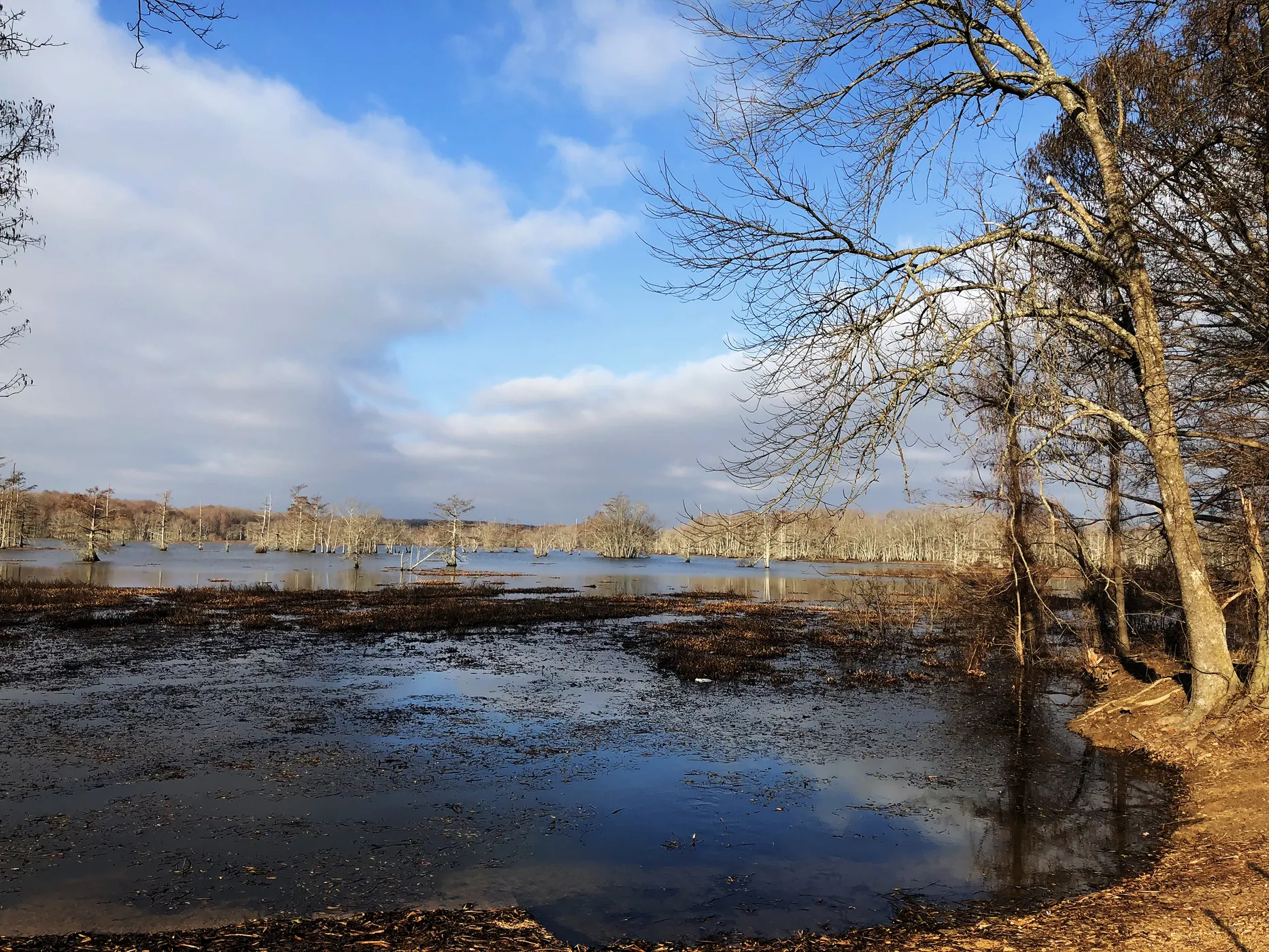
At Panther Swamp, a rise of a foot can change the forest. The trees tell you where the floodwater lingers after the bayous begin to drain.