
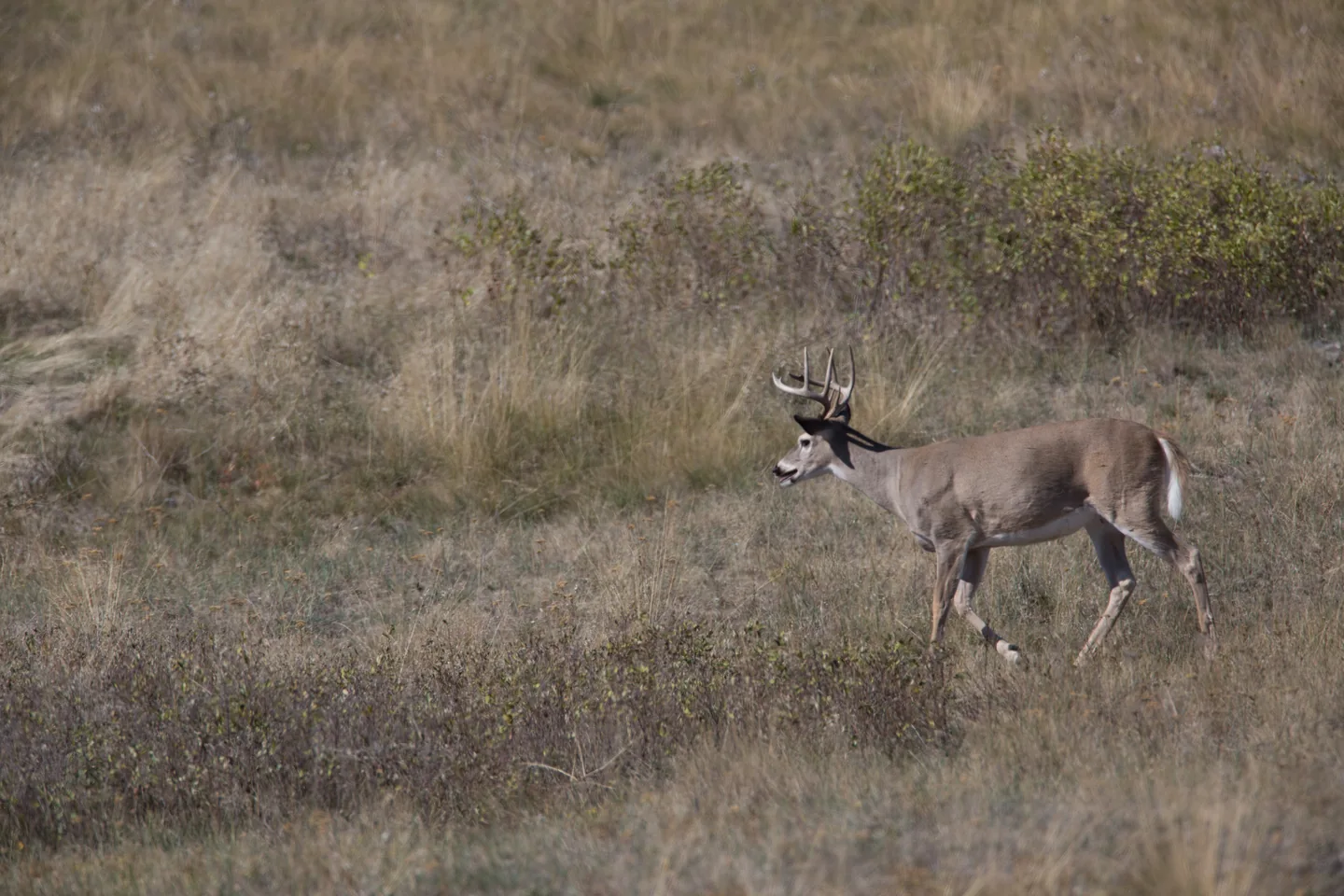
How Mississippi brought back its white-tailed deer
A fence at Leaf River helped rebuild Mississippi’s deer herd. Two generations of deer at Mississippi State later revealed how much the land still shapes each animal.
Learn the difference between browse, forbs and mast, then use those three food groups to read a patch of Mississippi deer habitat.
Linked product names open Amazon. As an Amazon Associate I earn from qualifying purchases. Affiliate disclosure.
Imagine standing beneath an oak beside a blackberry thicket. An acorn at your feet is hard mast. A ripe blackberry is soft mast. A tender tip on that same blackberry cane is browse. The broadleaf, soft-stemmed plants growing between the canes are forbs. Those terms describe different parts of a deer's menu, sometimes within a single arm's reach.
MDWFP’s guide to deer foods identifies browse and forbs as staples of the white-tailed deer diet across much of the year. Deer also use young grasses, sedges, fruit and nuts. A large green clearing can hold surprisingly little of the food you thought you were looking at. Kneel at its edge and look at what is growing among the blades.
Compare the acorn cap and leaf shape with Peterson’s eastern tree guide. A Carson TriView loupe brings a small bud or the leaf edge into focus so you can check a second identifying feature.
Choose a short route where you have permission to walk. Photograph one sunny edge and one shaded interior and list the food groups visible in each. Return in late summer and after leaf fall. Compare the amount of reachable vegetation, the kinds of fruit or nuts on the ground and the number of plants you can identify with confidence.
Browsing signs alone rarely identify which animal visited. Record an observation such as clipped or torn stems separately from your interpretation. Over several visits you will build a seasonal inventory of the property that is useful even when you never see a deer.
For a humid walk along a brushy edge, a mesh head net leaves your hands free to draw. A Rite in the Rain field pen can record a leaf shape or fruit color on a damp notebook page before the group moves on.
As an Amazon Associate I earn from qualifying purchases. How our links work.
Give browse, forbs and mast their own columns. Date each entry so you can compare what was growing on later visits.
Look into the oak canopy for acorns still on the branches when identifying a tree from fallen mast is difficult.
A fence at Leaf River helped rebuild Mississippi’s deer herd. Two generations of deer at Mississippi State later revealed how much the land still shapes each animal.
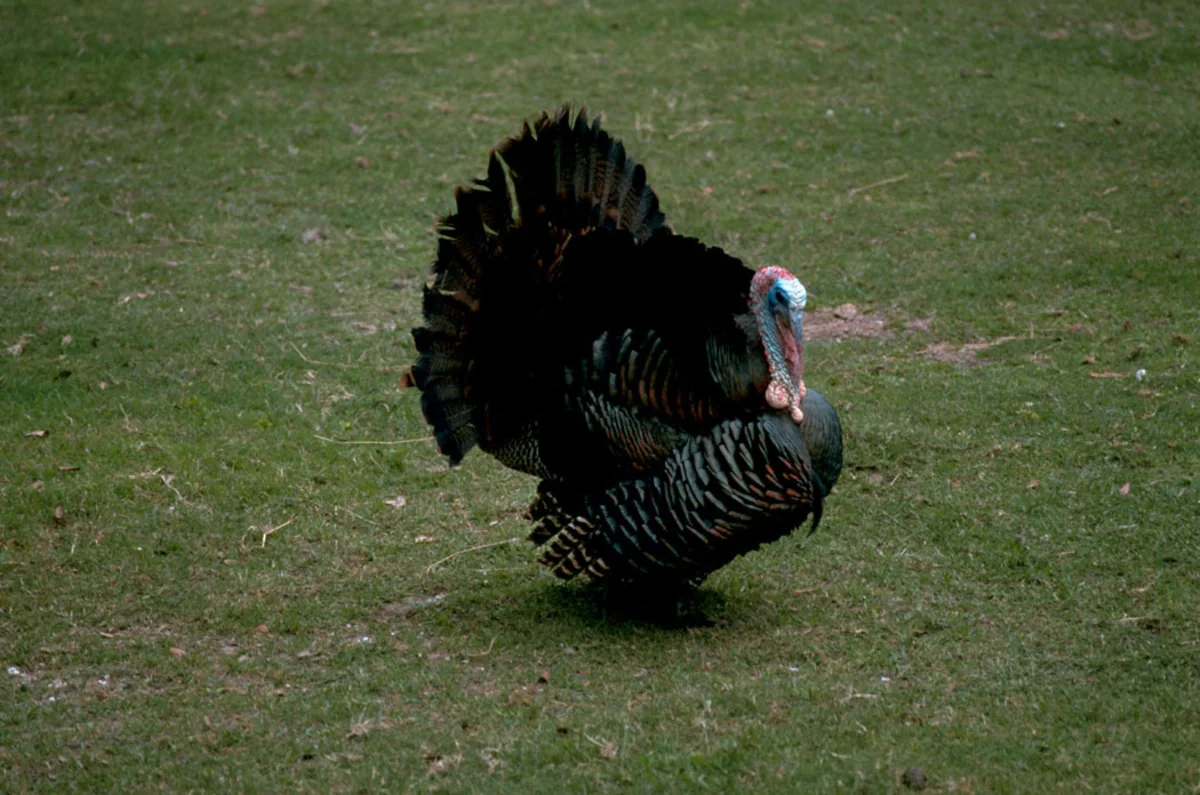
Mississippi hunters reported 17,907 wild turkeys in spring 2026. Behind that record lie three decades of field notes, summer brood counts and a new conservation stamp.
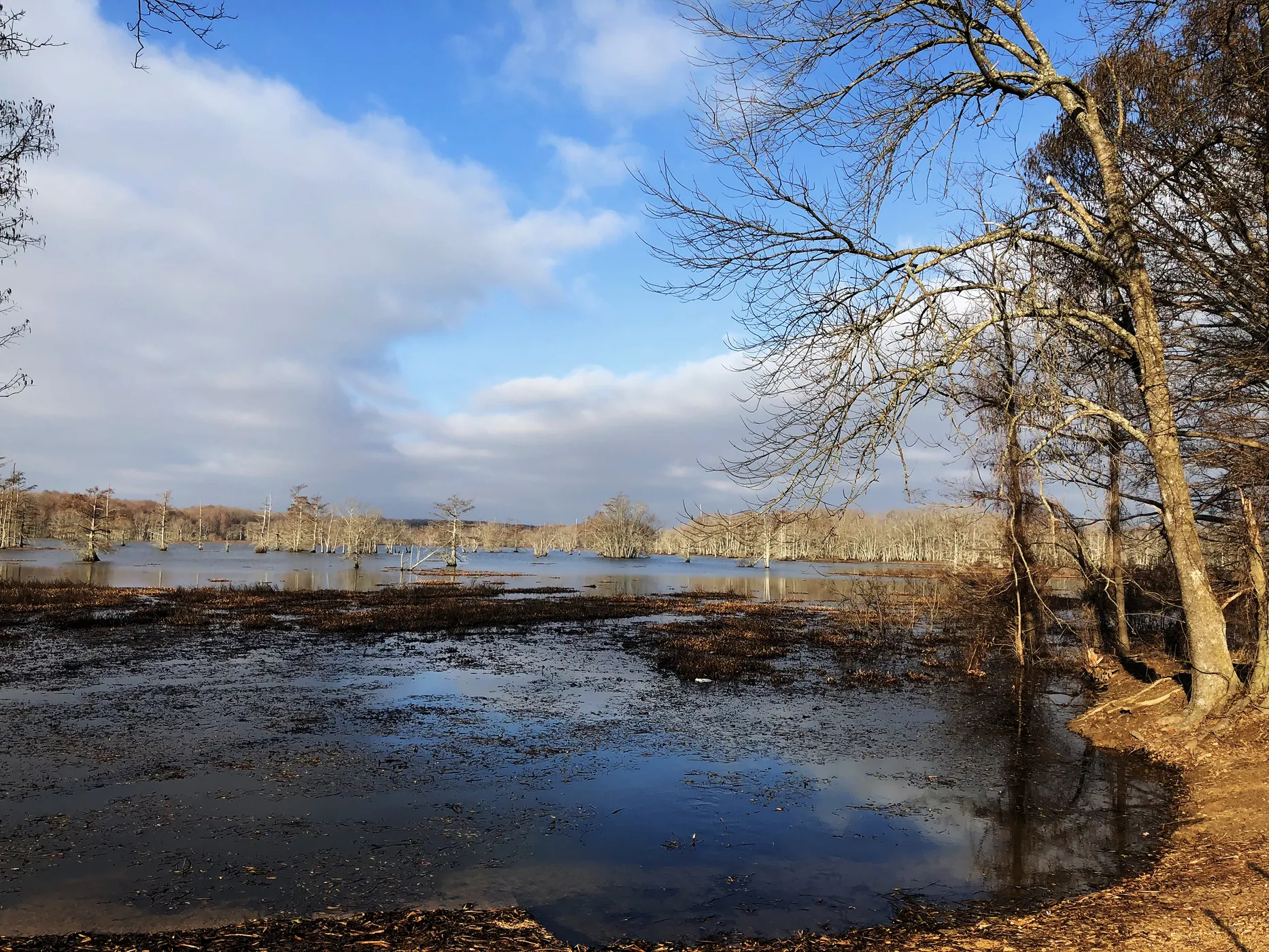
At Panther Swamp, a rise of a foot can change the forest. The trees tell you where the floodwater lingers after the bayous begin to drain.